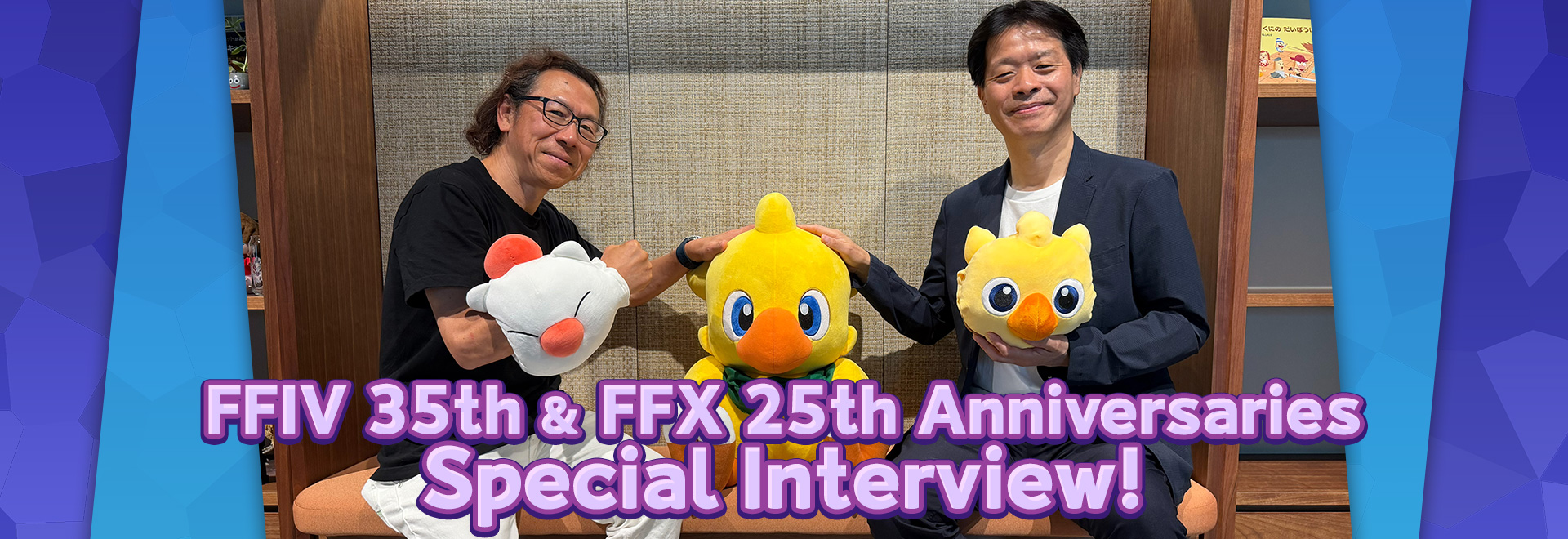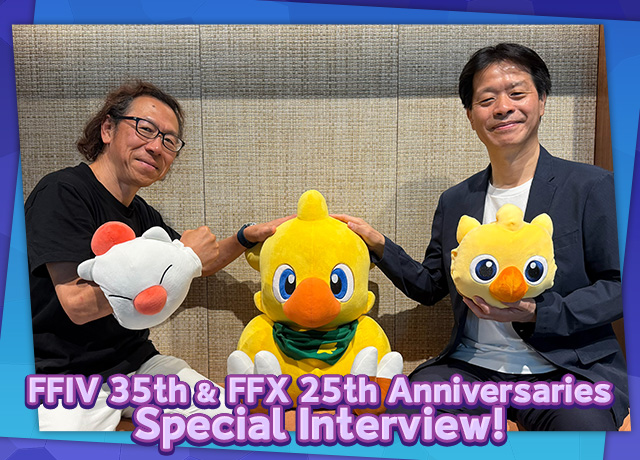
On July 19, 2026, FINAL FANTASY [hereafter FF] IV will celebrate its 35th anniversary, and FFX its 25th! We spoke with Takashi Tokita and Yoshinori Kitase, two creators involved with the respective titles released on the same day ten years apart. We hope you enjoy this interview featuring insights into the development of the games as well as behind-the-scenes stories that offer a unique outside perspective!
The Early Stages of FINAL FANTASY IV’s Development
We’d like to talk to you today about the development process behind FFIV and FFX, two titles released on July 19, ten years apart. We’ll also be unveiling unpublished artwork, so I’m hoping we can get a little background on those as well.
Let’s start with FFIV. When did the game’s development begin?
Tokita: I think it was after FFIII’s development had ended. That game was released in April of 1990, so it had to have been before then. While FFIII was being developed, I was working on THE FINAL FANTASY LEGEND, and after that was released, I joined the FFIII team to help with debugging.
Kitase: I joined Square in March of 1990. Since FFIII was going to be released soon, I was tasked to go from store to store collecting sales data. I would speak with the store staff and thank them with the prepaid telephone cards I was given in advance. [laughs]
Tokita: I didn’t know about that. [laughs]
Kitase: That was in April of 1990, and I remember FFIV already being in development by then.
Tokita: I was involved with FFIV from the very beginning, and that’s when I transitioned from graphic designer to game designer and became a permanent employee.
So you’ve worked for the company a little longer than Mr. Kitase.
Tokita: As a permanent employee, yes, but I started working here part time in 1986, after Mr. [Koichi] Ishii and before Mr. [Akitoshi] Kawazu.
Kitase: After Mr. Ishii and before Mr. Kawazu? So you have longer tenure than Mr. Kawazu? [laughs]
Tokita: That’s right. My first assignment was debugging The 3-D Battles of WorldRunner released for the Family Computer Disk System.
The Turning Point in FINAL FANTASY IV’s Development
Now that we’ve got the conversation going, let’s talk about the early stages of FFIV. [laughs]
Tokita: I believe development began in ’89, but the development period was unusually long for that time. When the project kicked off, it was originally intended for the NES [Nintendo Entertainment System], but I think it ended up being developed for the SNES [Super Nintendo Entertainment System] instead due to some unexpected changes.
Kitase: When I joined the project, it was already being made for the SNES. It feels a little weird for me to be talking about this, but at the time, there was a trade show hosted by toy wholesalers and distributors [later called Nintendo Space World], and there were lots of flashy demos showcasing the SNES’s Mode 7 feature that lets you enlarge, shrink, and rotate the background. When Mr. Sakaguchi saw it, he insisted that we take advantage of it.
Tokita: Right, I remember now.
Kitase: That’s how the opening scene with the airship came together, and I was right there to see it happen. All of this was shortly after I joined the company.
I see, so you were able to take advantage of the latest technology in the new console. Seeing that FFIV was released in July of 1991, is it safe to say the development period was around a year and a half to two years?
Tokita: No, it took a while to create the ROMs back then, so I want to say development was already finished in March or April of ’91. Considering the time that was invested in the NES version, the game in its current form was probably developed in, what, under a year?
Kitase: I think it was about a year.
Tokita: Honestly, I don’t remember much at all. [laughs] Especially in the early stages when we were tossing out ideas, when it was still being planned for the NES...
Kitase: When you were up all night playing the guitar. [laughs]
Tokita: Playing the guitar and singing. [laughs]
What? [laughs]
The Development Environment of FINAL FANTASY IV
Was the shift from the NES to the SNES driven by the desire to challenge yourselves with the new technology?
Tokita: I think that was part of it, but the NES had a lot of limitations when it came to the number of colors and ROM and memory, so I was just excited knowing I’d get to make use of the SNES’s improved specs. But even with 8 megabits, using all sixteen colors took up a lot of memory, so we used eight colors for most graphics with the calculation that it would take up two-thirds of the entire capacity.
So it wasn’t quite as simple as you expected.
Tokita: One of the graphic artists wanted to use all sixteen colors, so they went straight to Mr. Sakaguchi to discuss it in person, and was given permission to create the airship, the last dungeon, and Zeromus using sixteen colors. In the end, it balanced well with the rest of the game. So while I was happy we shifted to the SNES, it couldn’t handle as much data as we had initially expected; not just with the colors, but the scenario too. After helping expand on the plot written by Mr. Sakaguchi and creating all the in-game text, we realized we were only able to fit a fourth of it into the game. [laughs]
Mr. Kitase, you were involved with the series from FFV, so you must have seen how much data was required for elements like the story, but did you have the same sort of struggles?
Kitase: Hmm, at least from what I remember of FFV, I don’t think we were as concerned about the capacity, at least for the scenario.
Tokita: You did have twice the capacity of FFIV. Did you use all sixteen colors without having to compress anything?
Kitase: I don’t remember exactly. [laughs] I don’t think we needed to compress the colors, but memory management did seem challenging. As a designer, you’re familiar with a lot of those details, but I was a game designer, so I didn’t know much about that. I did handle the data when it came to the planning side, though. Nowadays, programs automatically place the data you create, so you only have to worry about its size, but back then, you had to specify the memory address where you wanted it placed.
Tokita: Ah, the ROM maps, where memory addresses were used to claim your space.
Kitase: You had to define the addresses to specify that the event data goes in this region, the data for something else goes in this other region, and so on. But if you weren’t careful, your data could exceed the allocated space, and because the system gave no error messages or warnings, people sometimes accidentally ruined each other’s work. It was challenging.
Tokita: People were yelling, “Whose data overflowed the buffer?!” [laughs]
Kitase: It was really difficult to manage everything manually. Sometimes your overflowing data would go missing or overwrite other people’s work. Whenever I would encounter a bug, I’d investigate it and often find that was what caused it, but manually keeping track of it all was a huge struggle.
Did you still have the same struggles by FFVI?
Kitase: I think we did up until FFVI...
Tokita: Developing a game with scripts involved a lot of trial and error, like in the early PS [PlayStation] days. It wasn’t like Unreal Engine where you could test it out immediately.
Kitase: At the time, we were using computers like the PC-98 to type out the text in a text editor, convert it into the game’s data format, write it to the SNES motherboard, and then run the game to check it on-screen. But the early models were delicate, and small differences in the environment could produce different behavior.
Tokita: Yeah, there’s a scene in FFIV where Cecil protects Rydia as he fights in the inn, but Rydia would jump into Cecil’s bed. People assumed it was intentional, even when we’d tell them otherwise. [laughs] There were instances like that where no matter how many times we tried, we couldn’t get it to work properly.
Kitase: When nothing seems to works, you have to step away and leave it alone for a while. Then one day, it’ll suddenly start working as intended. Fixing the program wasn’t always enough to solve the issue. [laughs]
Tokita: You worked on titles like FFVII and FFX that were developed for new consoles. Did you encounter a lot of bugs because of it?
Kitase: We did, but from FFVII, we started using more sophisticated computer languages like the C language. I’m not a programmer so I don’t know the specifics, but I think the development environment definitely improved.
So creating data in the days of the NES and SNES didn’t always go as planned?
Kitase: When I joined the FFV development team, implementing characters’ movements during events, like having them turn to the right or move forward, was all done through numbers. It was something like 00 to face forward, 01 to turn to the right, and 50 to move forward, so it required writing out a string of numbers. Once that was converted, compiled, and transferred to the hardware, you would finally see the characters move. But since the numbers don’t naturally correspond to the movements in your mind, you had to memorize them, or it became really confusing. To make it more intuitive for later titles, we made improvements by using terms like “up,” “right,” and “left” for FFV, and I presume something similar was done for FFIV.
Tokita: We used kanji for Hanjuku Hero. “Right,” “up,” etc.
So you were able to customize it.
Tokita: The programmers created a format converter that changed the text into numbers. Nothing changed internally—00 and 01 were still used to make the characters move—but the tool allowed us to input words instead to make it easier to script. I think RPG production was at a high at the time because of these types of custom tools and scripts. We were creating an environment that simplified development.
The Relationship Between the FINAL FANTASY IV Development Team and Other Teams
I see. It’s fascinating to learn about the circumstances surrounding the development of FFIV. Mr. Kitase, what were you up to around that time?
Kitase: If we’re talking around 1990, I was involved with the GB [Game Boy] title FINAL FANTASY ADVENTURE. Mr. Ishii was the director and Ms. [Kazuko] Shibuya was the lead graphic designer, and while they had worked at Square for a while, everyone else on the team was new, including myself.
Tokita: I remember it being a team of mostly new hires.
Kitase: We were a six-man team and had booths in the corner of the office...
Tokita: Next to the FFIV and THE FINAL FANTASY LEGEND teams.
Kitase: Because most of us were new, we had our share of struggles. I would look over at the FFIV team next to us and think, “Wow, they really are an elite team.” At the time, we were using Macs [Macintosh], and the FFIV team was getting their equipment upgraded to the Color Classics. I wanted one too, but we developed our game using the all-in-one Mac SE with a black-and-white monitor. I remember thinking how FF titles really are created with the latest tools. [laughs]
Was developing a game for the GB challenging too?
Kitase: I mean, it was the first project for a lot of us. It was also Mr. Ishii’s and Ms. Shibuya’s first time directing others, so it was rough because there were firsts all around. But the main programmer was an outstanding creator who really helped carry us through the project.
And you moved onto FFV once FINAL FANTASY ADVENTURE was done?
Kitase: Yeah, though I worked on Romancing SaGa before FFV.
Tokita: Oh, that’s right.
Kitase: I was in charge of the game’s field map.
What was the dynamic between you two during that period?
Tokita: There was an unspoken rule that if you worked hard late into the night, you were allowed to play Dr. Mario. A lot of people ended up having to stay late, so as midnight approached, a Dr. Mario tournament would begin. [laughs]
So there’d be a lot of fun interaction between the different project teams?
Tokita: Back then, there were only about 40 people across all the dev teams, so everyone knew each other and it was easy to socialize. When the next generation of developers, like Tetsuya Nomura, joined, the graphics teams suddenly became much larger. That was right around the tail end of FFIV, and we were all debugging the game together. I think the first time I spoke with Tetsu [Tetsuya Nomura], I asked him what he thought of the game, and he replied with a very straightforward “It’s fun.” [laughs]
Mr. Kitase, do you remember your first conversation with Mr. Nomura?
Kitase: Not really. [laughs] I think we started interacting as part of the workflow on FFV. I don’t remember if it was the first conversation I had with him, but I remember he would voice his opinions about the scenario. At the time, Mr. Sakaguchi would write the scenario, and it was our job to flesh it out and implement it into the game. He [Tetsuya Nomura] would come over and say, “I think this would be a good way to do it,” and try to convince people to put what he wanted to do into the game. That’s my first impression of him. [laughs] He even spoke up about the ending of FFV, so even though we already had a plan, I eventually came up with the ending we have now.
Were you also involved in the scenario for FINAL FANTASY ADVENTURE?
Kitase: Mr. Ishii wrote the base story, and I was responsible for fleshing it out.
Listening to your stories makes me realize that everyone has their own story to tell, not just the two of you. [laughs]
The Release of FINAL FANTASY IV
FFIV, the first FF title for the SNES, was released on July 19, 1991. Mr. Tokita, what did you think of the reception?
Tokita: In the NES era, DRAGON QUEST was released before FF, so it felt like we were constantly trying to catch up. But FF was released for the SNES first, and while that came with its own pressures, it was also a chance to pull ahead since both series were tied with four titles each.
Kitase: Now that I think about it, wasn’t there talk of skipping 4 and making 5 instead?
Tokita: There was. The CEO at the time stated that we would skip 4 and go straight to 5 to beat DRAGON QUEST. Talk about an innovative approach. [laughs]
Kitase: Thinking back on it now, it was kind of a brilliant idea. [laughs]
Tokita: Game development was certainly changing, but the way games were being promoted was changing as well, with the focus shifting to the characters, though FFII had already set that precedent.
The Development of FINAL FANTASY X
Let’s move on to FFX, a game that’s celebrating its 25th anniversary.
Kitase: I have a feeling I’ll have even less to talk about.
Tokita: I remember more about the earlier days. [laughs]
Kitase: That’s how our brains work now. [laughs]
Tokita: When was FFX released again?
Kitase: 2001.
Tokita: Oh, right, The Bouncer was released in 2000, so...
Kitase: That’s how you remember it? [laughs]
FFX was the first FF title to be released for the PS2, but when did the game’s development start?
Kitase: I don’t remember the exact date, but I think it began right after FFVIII had ended. It had to have already started in ’99 because it couldn’t have been made in just a year.
Tokita: The PS2 was certainly challenging.
Was FFX developed to be released for the PS2 from the get-go?
Kitase: It was. And development began in ’99, but there was the Square Millennium Event in 2000, remember?
Tokita: Right, there was.
Kitase: It was an event where the plans for FFIX, FFX, and FFXI were revealed.
Tokita: And PlayOnline.
Kitase: There was even a playable FFX build for the PS2.
Oh, interesting. Compared with the other FF titles of the PS era, FFX had a slightly different feel, partly because of its Japanese influence. Who came up with the concept?
Kitase: It began with Mr. [Kazushige] Nojima wanting to explore a fantasy atmosphere that wasn’t rooted in medieval Europe, but instead drew from more Eastern influences, since both FFVII and FFVIII had maintained a sci-fi tone. During development, we initially took a more sci-fi approach at first, but when we thought about what would be trending in Hollywood around the time of FFX’s release, we learned that The Lord of the Rings was in production. So we thought fantasy was going to be the next big global trend, and that was one of the reasons we decided to go with fantasy rather than sci-fi.
Tokita: Interesting, like how [James] Cameron developed Aliens into more of a sci-fi film and integrated that technology.
Kitase: Yeah, we thought the trend would come back around to fantasy.
Tokita: There was also the desire to tackle the challenge of creating realistic water rendering and simulation, now that fluid simulation was possible because of advances in CG and hardware.
Kitase: Yeah, but it wasn’t as easy as it seemed. [laughs] We wanted to include battles both on land and in water, but there had to be different animations because of the different movement patterns, so we were only able to include them in certain locations.
Tokita: But you made up for it with blitzball.
The FINAL FANTASY X Development Team
Kitase: First of all, assembling the FFX team was difficult. Tetsuya Nomura and I worked on FFVII and FFVIII together, but then he was assigned to KINGDOM HEARTS (hereafter KH). He was involved with FFX as a character designer of course, but his main project was KH, and some of the other staff was assigned there too.
So the team was split up.
Kitase: And so, the first thing we needed to do was to find people who could lead teams to handle core 3D elements like 3DCG motion graphics, backgrounds, and character models.
Were a lot of new people brought onto the FFX team?
Kitase: There were some, but mostly we promoted people we had worked with before to handle key aspects of the project. There were also veterans like [Yusuke] Naora who remained on the team.
So you were building a new team to tackle the new PS2 console. Mr. Tokita, what were you up to during that time?
Tokita: That’s when Square was shifting their focus to FF, with three different FF titles in the works. Mr. Kawazu and I weren’t part of it, though. He was working on projects for the WonderSwan, and I had just finished working on Chocobo Racing and was helping out on The Bouncer, a game developed by Dream Factory for the PS2, which was released just before FFX. Oddly enough, Tetsuya Nomura was creating artwork for The Bouncer, and I even worked with Naora in the early stages of the game’s development. Afterward, we tried getting a bunch of projects off the ground, but nothing was sticking. Hanjuku Hero was our last hope, so we started working on Hanjuku Hero Tai 3D. [laughs]
I believe you were still in the Meguro office during FFX’s development, but were you two on different floors?
Tokita: I think so.
KItase: Yeah, the FFX team took up almost an entire floor, so I think we were.
Tokita: By then, we mostly stuck with our own teams, so there were fewer opportunities to hang out and grab a bite to eat. I think we’d usually just end up bumping into each other in the refresh room.
Kitase: Was there one [in Meguro]?
Tokita: Yeah, they sold beer and fish sausages there. [laughs] Since there weren’t many places open 24 hours where people could buy alcohol at the time, people would go there to buy drinks to take home.
The Turning Point in FINAL FANTASY X’s Development
There was earlier discussion about how transitioning to newer consoles resulted in a large number of bugs, but as the first FF title for the PS2, did you find the debugging process for FFX challenging?
Kitase: I don’t remember much about the process, but I don’t recall it being particularly challenging. But there was a challenging moment that has nothing to do with debugging when, like FFIV, we found ourselves at a turning point. We had to choose between keeping the same resolution and number of scanlines while using more colors, or increasing the resolution to make it look sharper but only having half as many colors. Initially, we decided to keep the same resolution and add more colors to make the world feel more vibrant, but when other companies began releasing high-resolution games, we realized we needed to make a change.
Tokita: Oh, right. You had to wonder if it was even possible to change gears at that point.
Kitase: Yeah. I asked one of the art programmers what would happen if we went ahead with it, and they said they could make it work, so we decided to change course.
Tokita: Did the data need to be readjusted?
Kitase: Yeah, I’m sure it did.
Tokita: Well, I suppose it would affect factors like texture and overall appearance.
Kitase: The tricky part about making games for next-gen consoles is figuring out which new features and specs to take advantage of, like higher resolutions. Especially when companies keep releasing more and more of them. [laughs]
Kind of like Mode 7 from the FFIV development?
Kitase: Yeah, exactly like that. I personally think we should be utilizing whatever upgraded features and specs we can. I don’t know if this is a result of that, but it makes me happy to see that the FFX HD remaster still lets people enjoy the game while keeping the original feel intact.
Tokita: When I first saw FFX on screen, I didn’t feel that we needed anything beyond that. Later, I came to think that although consoles would continue to evolve, we had reached a point where this level of 3D rendering was sufficient.
Kitase: Part of that might have been due to the voice acting. Once the voices were implemented, FFX contained all the elements that would later define the series. But at the time, even though it was decided the game would be voiced, we had no idea how to get it done. Nowadays, we hire a company to handle all the recording-related work, like booking studios and voice actors, but back then, we didn’t know what to do, so we had actors come in to audition at the company. It was very amateurish.
Wasn’t there a studio in the Meguro office?
Tokita: The sound team had a studio, but I think it was strictly for in-house staff.
Kitase: The auditions were held in the meeting rooms at the reception area. [laughs] Though the actual recordings were done at an external studio, of course. Scheduling the actors was tough because nowadays, you usually record one actor at a time. But back then, it was hard to get the right feel without that back-and-forth, so if a scene had three characters talking to each other, we’d bring all three actors in and record them together.
There were a lot of new faces behind the voices of the main FFX cast, weren’t there?
Kitase: There were, though Tidus and Yuna’s actors had worked on FFVIII as mocap actors, and we already knew they’d be a good fit.
Tokita: So you wanted to work with people you’d worked with before. [Rikku’s voice actor] Ms. Matsumoto’s career as an actress really took off after that too.
Kitase: She was one of the cast members who auditioned for the part, but I could tell right away there was something there. She was still in high school, but she had this aura about her.
What FINAL FANTASY Means to Mr. Tokita and Mr. Kitase
We’ve heard from the both of you about FFIV and FFX, two titles that seem to have set the stage for future games on next-gen consoles. What aspects of each title do you think captures the essence of FINAL FANTASY?
Tokita: I’ve been involved with the series since creating pixel art for FFI and then helping out with FFIII, and having witnessed its evolution over the years, the fact that every installment tried something different really left an impression on me. We wanted to take the same approach with FFIV, while also being intentional about incorporating the strengths of FFI, FFII, and FFIII. So the elemental archfiends and the drama-driven story were inspired by FFII, and the character job system by FFIII, which helped create a sense of culmination. Combined with the fact that it was also developed for a new console, the game ultimately became one that left a lasting impression.
Kitase: We talked about how both titles were developed during the transition to the latest next-gen consoles, but like with Mode 7 for FFIV, how you adopt new features without fully understanding how they work can shape the gaming scene that follows. FFX was no exception, using the PS2’s new features, improved resolution capabilities, and advanced audio processing. A FINAL FANTASY title has the power to influence subsequent FF installments and even shape the gaming world itself, so it carries the responsibility of creating a brand-new format that sets the standard.
Thank you both for your time today! We hope you take this opportunity to enjoy and learn more about FFIV and FFX!
Unpublished Works by Creators Behind Both Titles!
[FFIV] Tetsuya Nomura’s early equipment renderings for strategy guide materials
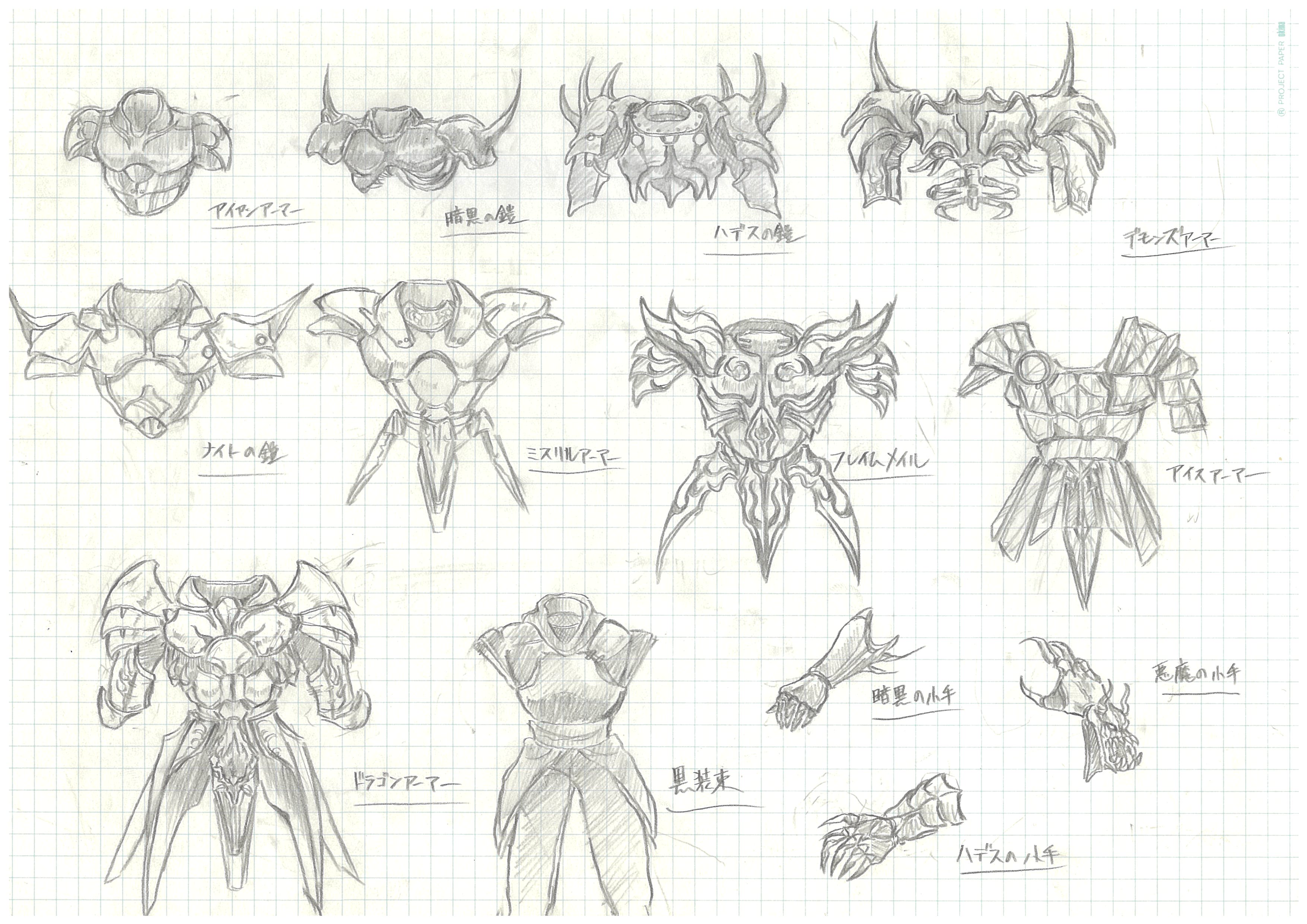
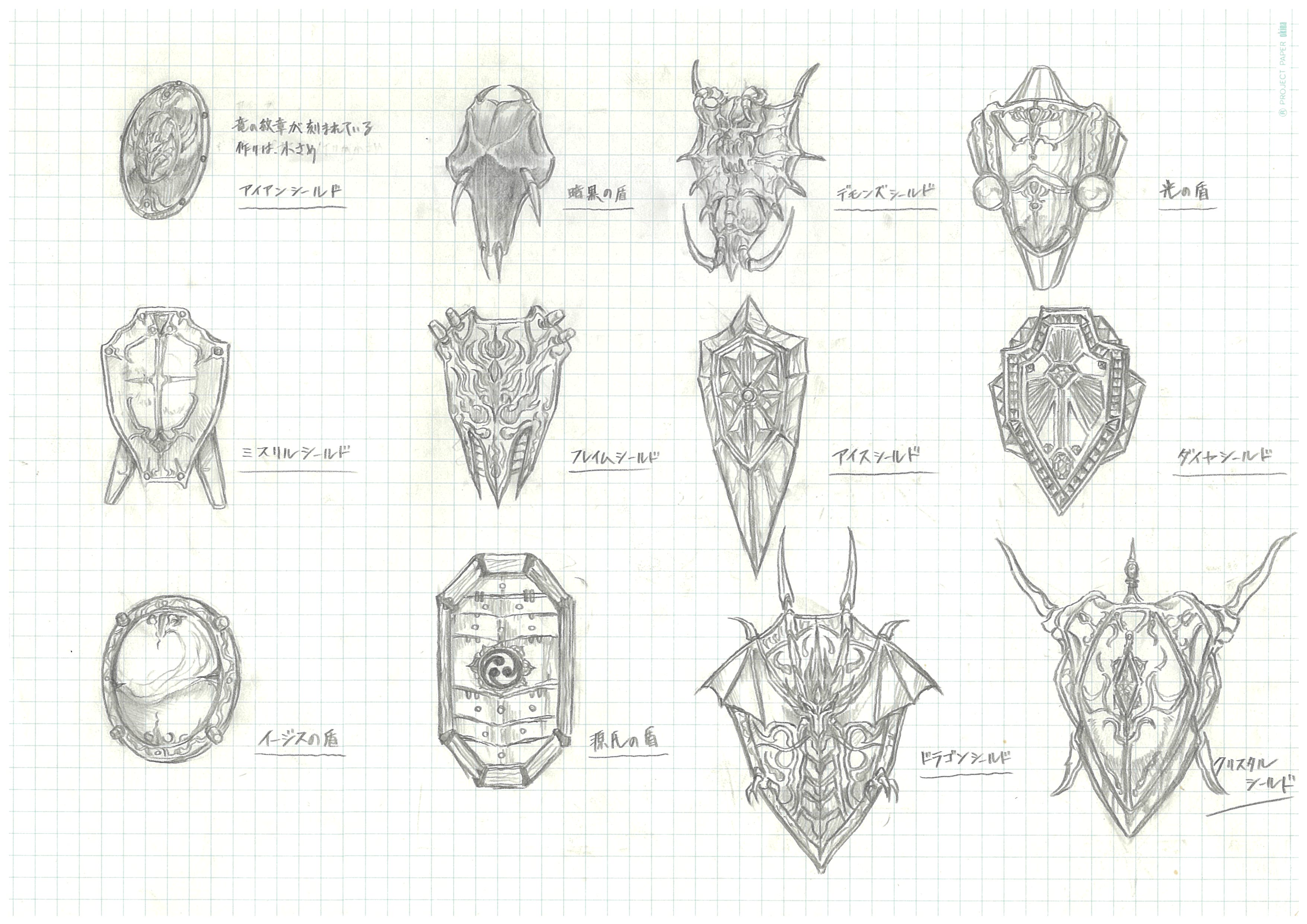
[FFIV] Tetsuya Nomura’s stylized Cecil sketches for the GBA release
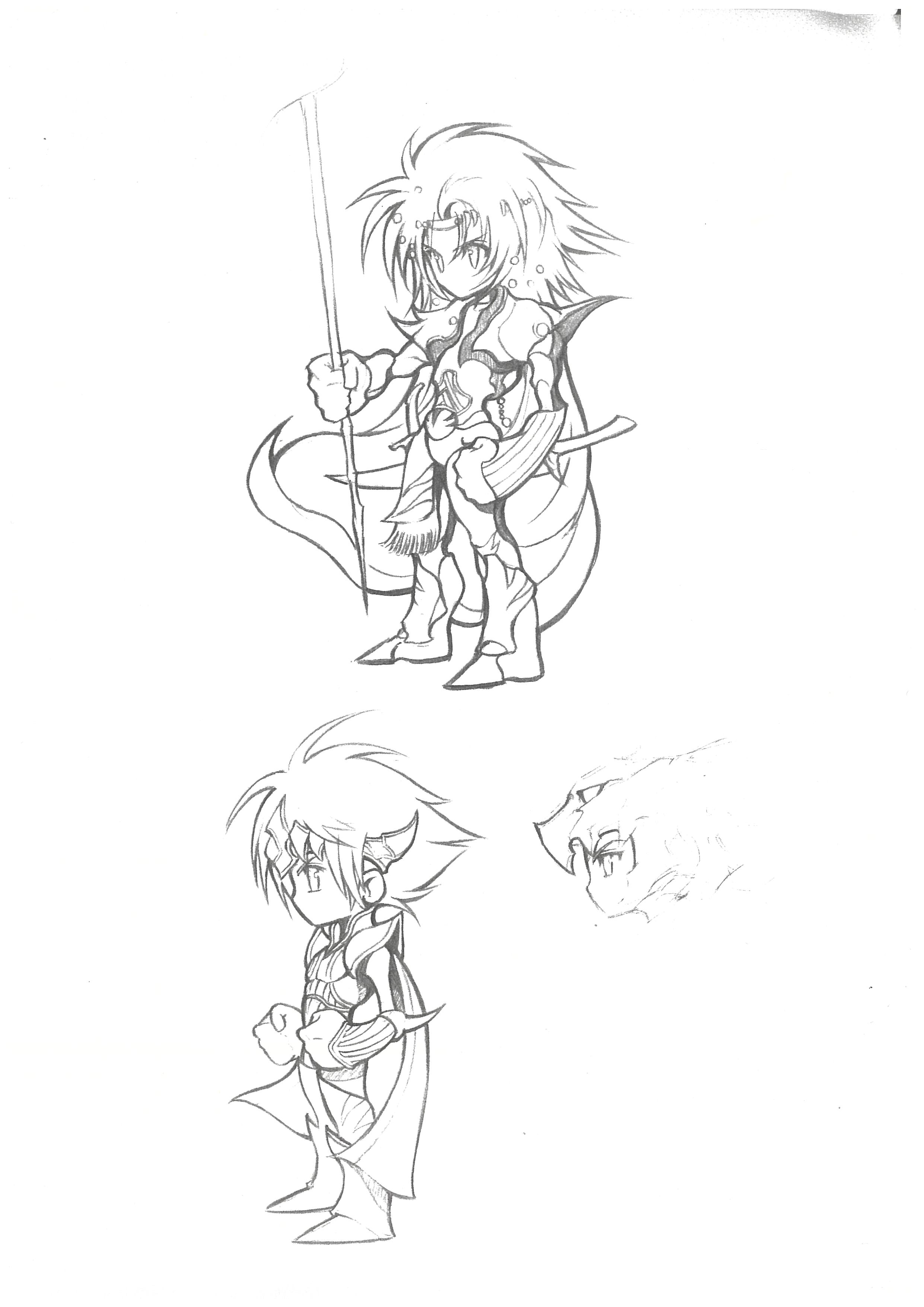
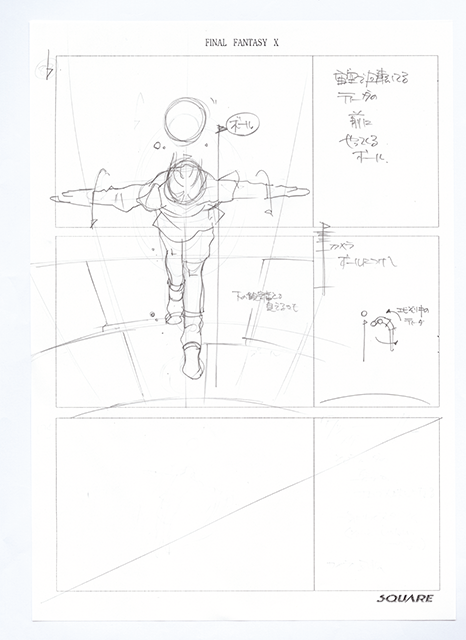
[FFX] Opening movie storyboard created by Akira Oguro, art director for the FFIV 3D remake
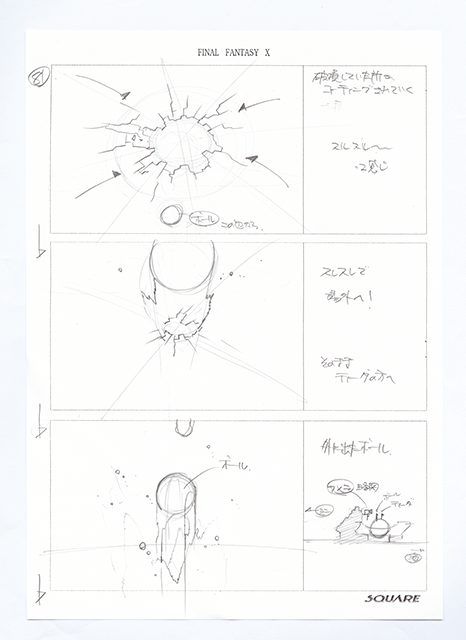
Sales celebrating the title's 35th anniversary are live now!
FINAL FANTASY IV
- PS4: until July 29, 2026
- https://store.playstation.com/en-us/product/UP0082-CUSA33829_00-FF4PS4APPNA00001
- Xbox Series X|S、Windows: Until July 29, 2026
- https://www.xbox.com/en-us/games/store/final-fantasy-iv/9N8C07SS8C9D
- Humble Bundle: Until July 30, 2026
- https://www.humblebundle.com/store/final-fantasy-iv-2d-remaster?hmb_source=search_bar
- iOS / Android: Until July 28, 2026
FINAL FANTASY IV (3D REMAKE)
- Humble Bundle: Until July 30, 2026
- https://www.humblebundle.com/store/final-fantasy-iv
FINAL FANTASY IV: THE AFTER YEARS
- Humble Bundle: Until July 30, 2026
- https://www.humblebundle.com/store/final-fantasy-iv-the-after-years